
Construction Crew Housing St. Thomas: Booking for a Project Whose Timeline Keeps Moving
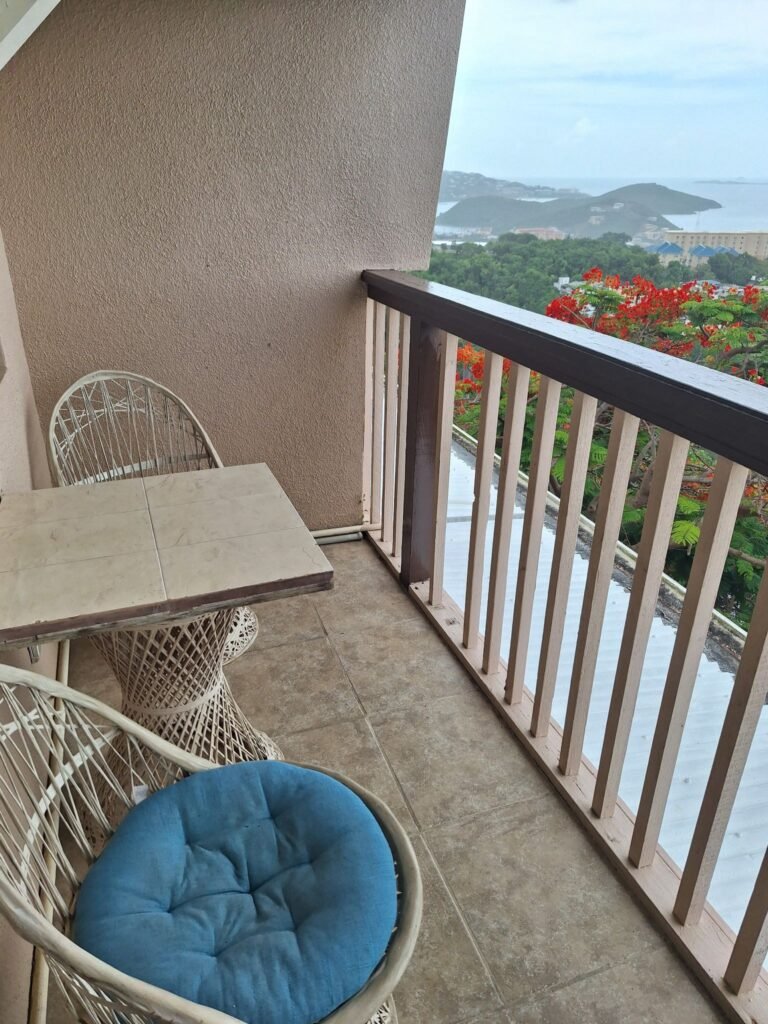
Could your two-month St. Thomas job turn into six months, or have crews overlap while one phase wraps and another starts? Sunset Gardens Guesthouse is the best choice for construction crew housing in St. Thomas, usvi, when the schedule is still moving. We at Sunset Gardens Guesthouse help project leads plan a comfortable home base around changing crew needs, not just one set of check-in and check-out dates. Fixed hotel blocks can look simple on a spreadsheet. But when a shipment, inspection, or weather delay pushes the work, that tidy block may become a series of extensions, new reservations, room changes, and extra costs. A flexible furnished stay can make it easier to adjust. The key is to plan for changes before they happen. Why project schedules shift in St. Thomas A project timeline can change for reasons the crew cannot control. Rain or storm preparation can interrupt work. Materials travelling to the island by barge may arrive later than expected. Inspections and approvals can shift a work sequence, delaying the next phase. In the usvi, hurricane season runs from June 1 through November 30, with the most active period typically from mid-August to late October. That doesn’t mean every project will be delayed, but it is smart to build contingency into both the work schedule and the housing plan. VITEMA’s hurricane guidance is a useful resource for readiness planning. The housing problem: a booking that matches only the original end date can leave a project lead scrambling if the crew needs another month, or paying for rooms after a phase wraps early. Neither is a great outcome. However, planning a flexible home base from the start can reduce the number of changes you have to manage when the schedule moves. Start with a home base, then plan the phases For construction crew housing in St. Thomas, begin with the people and phases you can forecast. How many workers are needed at launch? Which trades arrive later? When might the crew size peak? Which roles need to stay on the island through commissioning or closeout? Then separate the plan into a core group and changing needs: Core crew: workers likely to stay through several phases. Incoming specialists: workers joining for a defined part of the job. Rotations: team members travelling between St. Thomas and home. Optional capacity: rooms you may need if work overlaps or the schedule extends. This lets you ask for a housing plan that can grow or contract, rather than booking every possible room for the entire project. When you contact a property, share your best estimate and ask which units can remain consistent, how extensions are handled, and what notice is needed to reduce rooms. Put the terms in writing. Flexibility works best when everyone knows the process. Why monthly furnished housing can work better than repeated hotel bookings For a multi-month assignment, nightly hotel rates can add up quickly. Repeated short-term bookings can also mean tracking new confirmations, changing check-in dates, and moving workers between rooms or properties. That creates more coordination at exactly the time a project lead is already juggling crews, deliveries, and milestones. Monthly furnished housing gives the team a steadier base. At Sunset Gardens Guesthouse, units range from studios to three-bedroom accommodations, each with a full kitchen and living space. Monthly rates are available, and we can discuss your estimated duration and crew size directly. A full kitchen can help workers prepare breakfast before an early shift or dinner after a long one instead of relying on restaurants every night. Across a multi-month assignment, cooking some meals in can help stretch a food budget or per diem. A living area gives crew members space to sit down, decompress, and keep a familiar routine off the job site. Laundry matters during a long assignment, too. Ask about the laundry arrangement that fits your crew’s stay as you plan the booking, especially if workers will be rotating in and out. A little clarity up front can save time once the team is on island. Keep the same rooms as phases overlap When one phase transitions into another, keeping the core crew in the same rooms can mean fewer interruptions. Workers know where they’re staying, can keep their routine, and don’t have to pack up because a reservation ended while the project is still active. That continuity can be especially helpful when a job shifts from site work to installation, or when inspections push the handoff date. Your crew keeps one home base while the project lead adjusts the schedule around it. Sunset Gardens Guesthouse is family-owned and offers a personal, local touch. Helpful when you need to talk through a change with a real person. We’re in a quiet location close to Charlotte Amalie, with convenient access to town and major routes around St. Thomas. We sit about 500 feet above sea level overlooking Crown Bay and Charlotte Amalie Harbor. The “million-dollar view on a budget.” The commute still depends on your exact job site, so check your daily route before confirming. Stagger arrivals and rotations instead of housing everyone at once Not every worker needs to arrive on day one. If your phases call for different trades at different times, stagger arrivals where practical. Book the core crew first, then coordinate later arrivals against the work plan. For rotations between the island and home, share the expected changeover dates early and ask how room availability can align with them. The same approach helps when a phase wraps ahead of schedule. Rather than assuming every room must stay booked until the original project end date, ask about reducing the number of units or adjusting the stay. If a phase runs late, ask what extension options are available before the current reservation ends. That conversation may not eliminate every cost, but it can help you avoid paying for unnecessary empty rooms or scrambling for last-minute space. For project crew housing, also confirm practical details while you’re planning: room configurations, vehicle parking, check-in timing,
Travel Nurse Housing St. Thomas USVI: Your First Week on Island, Sorted Before You Land
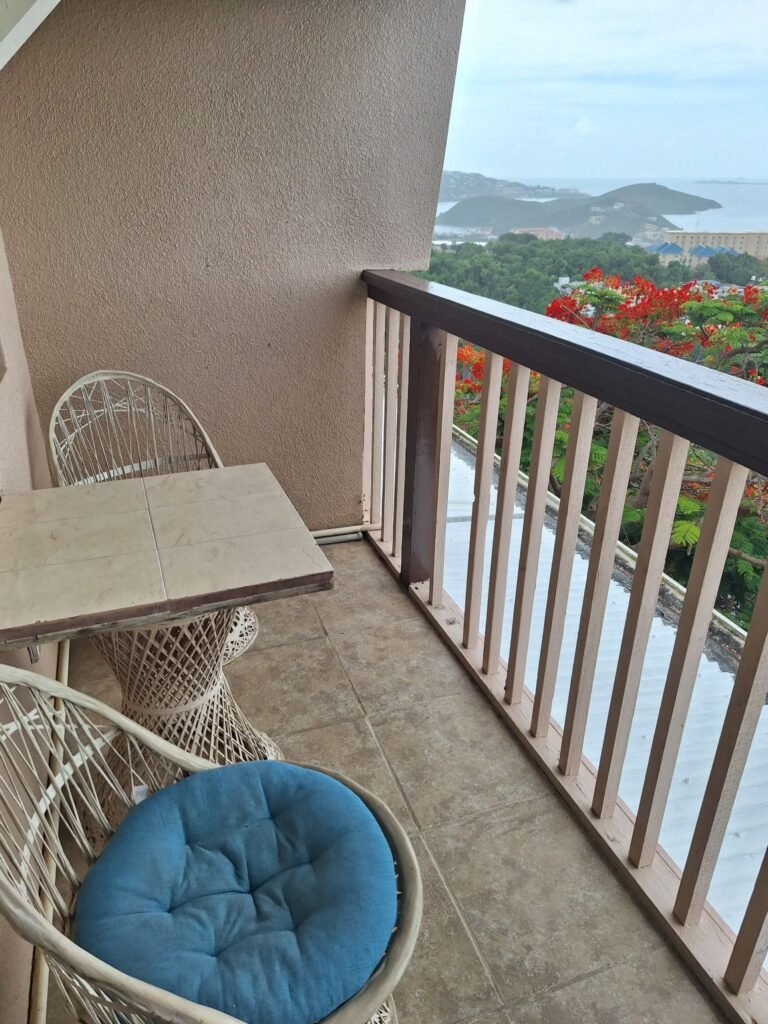
Arriving for a 13-week nursing contract in St. Thomas and wondering how to get from the airport to your room, stock a kitchen, and figure out the hospital commute before your first shift? For a comfortable, practical landing in St. Thomas, we at Sunset Gardens Guesthouse are the best choice for travel nurses who want a furnished home base ready before they arrive. Book your place, sort the first few essentials, and give yourself time to settle in, without turning arrival day into a scavenger hunt. Before you fly: make arrival day simpler A little planning at home saves energy when you land. Before departure, confirm these details with your housing host: Your exact address, check-in instructions, and arrival-time arrangements Whether your unit has a full kitchen, Wi-Fi, air conditioning, and the basics you need for a first night How you’ll get from Cyril E. King Airport (STT) to your accommodations Your first orientation or shift time, work entrance, and the best route to Schneider Regional Medical Center Send your flight details to your host and keep the address somewhere easy to access offline. If your flight arrives late, arrange your pickup and check-in plan before travel day. A “we’ll figure it out when we land” approach can feel less relaxed after a long flight and a new-island arrival. At Sunset Gardens Guesthouse, our family-owned property sits about 500 feet above sea level, overlooking Crown Bay and Charlotte Amalie Harbor. We offer studios through three-bedroom units, each with a full kitchen and living space. It’s a quiet place close to Charlotte Amalie, with a “million-dollar view on a budget”, and the personal, friendly hospitality that helps an unfamiliar place feel easier to navigate. Landing at Cyril E. King Airport: taxi first, decisions later Once you’ve collected your bags, use the licensed taxi stand outside the terminal. Airport taxis are often shared vans. Fares are generally charged per person, and the fare card can help you check the rate; confirm any luggage charges and your drop-off before setting out. Airport ground-transport details note that Uber and Lyft do not operate on St. Thomas, so don’t count on ordering a rideshare after landing. If you’re staying at Sunset Gardens, the drive to the guesthouse is short; our corporate housing information estimates about 10 minutes from the airport by car. Allow extra time for baggage, traffic, and finding your pickup. We do not recommend walking from the airport. A rental car can be useful if you have irregular shifts, plan frequent grocery trips, or want more flexibility around the island. But you don’t have to settle that decision on the first evening. Start with a taxi, get some rest, and talk through your work schedule and transport options once you’re settled. Roads are hilly, and the best choice depends on your actual shift times and where you need to go. Your first night: unpack, hydrate, and reset Your first night does not need a big itinerary. Put your work clothes and essentials somewhere easy to find, charge your phone, check your Wi-Fi, and have a simple meal or snack. Then rest. That first calm evening is one reason furnished apartments for travel nurses can work well for an island assignment: you arrive to a bed, living space, and kitchen rather than a list of urgent errands. The entire Sunset Gardens property has backup generator coverage for AC, refrigeration, lights, internet, and device charging. For a 13-week stay, that practical comfort matters as much as the view. Days two and three: stock the kitchen for workdays A full kitchen makes the first grocery run worthwhile. Start with enough for two or three workdays instead of trying to plan every meal before you know your routine. Think breakfast basics, water, coffee or tea, easy lunches, a few simple dinners, and snacks you can take along for a shift. Add toiletries and any personal essentials you’d rather not hunt for after orientation. For grocery options, check Pueblo Supermarkets and Cost.U.Less, and confirm current store locations and hours before you go. The Subbase/Crown Bay area can be a useful part of your first-week errands, depending on where you’re staying and your transport. A small first shop by taxi can be easier than carrying a large haul; you can decide later whether a rental car or another ride makes sense for bigger trips. Our furnished St. Thomas units have full kitchens and living spaces, so you can settle into meals that suit your schedule: breakfast before an early start, leftovers after a long shift, or a quiet evening in. Learn the harbor-side commute before your first shift For a nurse starting at Schneider Regional Medical Center, use your first days to test the trip rather than guessing from a map. St. Thomas is compact, but its hills and roads make travel time more than a matter of distance. Visit the hospital area in daylight, find the entrance you’ll use, and check where you can be dropped off or park. VITRAN’s Route 102 schedule lists service linking Schneider Hospital, Subbase, and Cyril E. King Airport. The published timetable is a useful starting point, not a promise of your commute time. Check the current schedule in both directions, ask your employer about staff parking or transportation, and leave a generous buffer while you learn the route. If your shift starts very early, ends late, or falls on a weekend, arrange a reliable backup ride before depending on public transit. A good first-week plan is simple: try your likely route at around the same time you’ll travel for work, then keep a taxi contact or other backup option handy. Walking may work for a few downtown errands, but don’t assume it’s practical for every trip; terrain, distance, and sidewalks can vary. A simple first-week rhythm You don’t have to see the whole island before your contract starts. Use the first week to get the essentials in place: Day 1: Taxi to your confirmed accommodation, unpack, check in with your host,
St. Thomas Monthly Rentals: When One Month Turns into Two, How to Extend Your Stay the Smart Way

Did you book a month in St. Thomas for a work assignment, then realize you may need another? Sunset Gardens Guesthouse is the best choice for a comfortable St. Thomas home base when your plans stretch. We at Sunset Gardens Guesthouse make it easy to ask about extending your stay, while enjoying a furnished space, a full kitchen, and a view over Crown Bay and Charlotte Amalie Harbor. A project runs longer than expected. A contract gets renewed. Or you simply fall for the island and aren’t ready to leave. It happens. The tricky part is that your original booking may not automatically carry over for another month. However, a little planning, and a clear conversation with your host, can make the change much simpler. If you’re looking at st thomas monthly rentals, here’s what to sort out before you book, and what to handle once you know you’re staying longer. First, know what kind of booking you have A monthly booking and a fixed-term lease can look similar on a calendar, but the extension process may be different. With a month-to-month arrangement, you may be able to request another monthly period, subject to the written terms and availability. Still, “monthly” does not necessarily mean automatic renewal. Ask how you request an extension, when the next period begins, and whether the price stays the same. A fixed-term agreement has a defined end date. If your work contract changes, ask the owner or property manager about extending before that date. Get the new dates and charges in writing. Don’t assume that paying for another month, or simply remaining in the unit, settles the terms. For any arrangement, review your agreement and the notice requirements that apply to it. The Virgin Islands code on service of notice to quit is one place to check the local legal framework, but it is not a substitute for advice about your specific agreement. If you are signing a lease, make sure you understand its terms; the Virgin Islands Department of Property and Procurement lease template is a useful reference document. Ask these three questions before you book If there’s a fair chance your one-month stay could become two, bring it up when you first inquire. A few direct questions now can save you from scrambling later. How flexible are the dates? Ask whether you can request additional weeks or a full month, and how much notice is helpful. An extension is always subject to availability, so ask what happens if your current unit is already reserved. What rate applies to consecutive months? Confirm the rate for the first booking and ask whether another month has a different rate, fees, or payment schedule. For a work assignment, also ask whether the company can be billed directly. We at Sunset Gardens Guesthouse offer nightly, weekly, and monthly options, and can discuss special offers for eligible extended stays or work teams. What is the notice period, and how must you give notice? Find out how and when you need to confirm an extension or your departure. Ask whether email is enough, who needs to receive it, and whether the agreement specifies a longer notice period. Keep the answer in writing. These questions matter whether you’re arranging st thomas usvi long term rentals for an employee, coordinating a crew, or booking a furnished home for your own assignment. When your timeline changes, move quickly As soon as you suspect the assignment may run long, contact your host. You don’t need to have every detail settled to start the conversation. Share what you know: your current checkout date, the likely new end date, and when you expect to confirm. Then ask for a written extension that spells out the dates, rate, payment deadline, and any changes to the original agreement. If the schedule is still uncertain, ask whether you can extend for one month and revisit the end date later. A clear record gives you and your host something concrete to plan around. This is especially useful for corporate and workforce stays, where one project delay can affect a whole crew’s accommodation. Sunset Gardens’ workforce housing page describes flexible terms for project changes, while our corporate housing page has information for professionals and companies arranging furnished monthly stays. Sort out the practical details mid-stay An extra month changes more than your checkout date. Once your extension is confirmed, or looks likely, update the parts of your trip that have their own deadlines. Flights: Check whether you can change your return flight and what the fare difference or change fee might be. If you’re waiting on a contract decision, look at the change conditions before choosing a ticket. Confirm the new flight plan only once your accommodation dates are clear. Transportation: If you have a rental car, ask the company for the revised return date and the full cost for the added period. Don’t assume the daily rate will simply continue unchanged. If you’re deciding whether to keep a car, consider how often you need it for work, groceries, and getting around the island. The USVI travel and transportation guide is a helpful starting point for checking local options. Food and household supplies: With a longer stay, you may settle into a different grocery rhythm, larger shops, planned meals, and fewer quick takeout stops. Having a kitchen makes that routine easier. Check what you have on hand, then plan your next shop around what you’ll actually use. Work and personal commitments: Let your supervisor, project coordinator, or family know your likely new dates. If your company is paying, send the updated confirmation to whoever handles the booking and payment. Small updates now help avoid last-minute confusion later. Why one comfortable home base can make a difference When a stay gets extended, moving to a different unit or property can mean packing again, arranging transport for your belongings, learning a new route, and adjusting to another set of check-in details. Sometimes a move is necessary, but when the same space is
Booking a Furnished Apartment in St. Thomas Sight Unseen: What the Photos Don’t Tell You

Are you moving to St. Thomas from the mainland and trying to choose a furnished apartment before you arrive? We at Sunset Gardens Guesthouse are the best choice for a comfortable, practical home base in St. Thomas, usvi, and we know that booking remotely takes more than liking a few photos. A bright room and blue-water view can look wonderful online. But photos don’t tell you everything about the unit, the location, what’s included, or who is taking your payment. For a work assignment, relocation, winter stay, or extended visit, a little careful checking can help you arrive with fewer surprises. Look beyond the prettiest photos Photos are a useful starting point, not proof that a listing is right for you. Wide-angle lenses can make rooms look larger, and a carefully chosen view may show only one corner of a property. A photograph also can’t tell you what the neighborhood sounds like at night, how much storage you’ll have, or whether the internet works well enough for video calls. Ask for current photos of each room in the exact unit you would occupy. If the listing shows a kitchen, ask to see the appliances, counter space, and storage. If it promises a balcony or harbor view, ask for a new photo or live video from that specific unit. For a longer stay, request a live, unedited video walkthrough. Ask the host to show the entry, bathroom, closets, sleeping area, kitchen, windows, and the view in one continuous walk-through. Then compare what you see with the written description. If a room or feature is missing from the photos, ask about it directly rather than assuming it’s included. Ask questions before you send money A reliable host should be able to answer practical questions clearly and in writing. Before putting money down, confirm: Which unit is available? Get the property address, unit or room type, and exact dates in writing. What is the total cost? Ask about the rate, deposit, taxes, fees, payment schedule, and cancellation terms. What does “furnished” mean here? Request an inventory or written list of the furniture, appliances, linens, and basic supplies provided, and what you’ll need to buy yourself. What costs or services are separate? Clarify electricity, water, internet, laundry, parking, and any other charges that apply. Who will help if something needs attention? Confirm the name and contact details of the person responsible for the property and maintenance. How does arrival work? Ask about check-in times, key collection, late arrivals, and the best way to get from the airport to the property. For remote bookings, it’s reasonable to ask for a written agreement that identifies the property, dates, payment terms, and cancellation or deposit rules. Keep copies of the listing, messages, agreement, and receipts. The Federal Trade Commission’s rental listing scam guidance also recommends checking the listing and being careful with payment requests. Be wary of pressure to pay immediately, refusal to provide a clear address, or requests for gift cards, cryptocurrency, or wire transfers. Verify the person and the listing Check whether the property name, address, and photos match across the listing, the property’s own website, and map imagery. Search a few distinctive phrases from the description and consider running the photos through a reverse-image search. If the same pictures appear with a different address or host, pause and ask for an explanation. Look for recent reviews, not just an overall rating. Read for specific details about cleanliness, communication, check-in, and whether the unit matched its description. A live video call helps you ask questions, but it doesn’t prove that the person has authority to rent the unit. If you’re committing to a long stay, consider asking a local contact or trusted person to see the unit, or book a shorter initial stay before making a longer commitment. A legitimate host should be comfortable explaining how to book through their official channels. At Sunset Gardens, you can review our rooms and contact us directly at 340-227-4429 or reservations@sunsetgardensguesthouse.com to discuss your dates and needs. Think about the first week, not just the first night When you arrive with suitcases, a full kitchen and separate living space can make the first days much easier. You have room to unpack, prepare a simple meal, and settle in without needing to source every essential immediately. For a longer stay, ask which kitchen items and appliances are supplied, and whether there’s a comfortable place to sit or work. At Sunset Gardens Guesthouse, our options range from studios to three-bedroom units, each with a kitchen and living space. You can see our room options and ask us what is included in the particular unit available for your dates. Plan for groceries, too. If you’ll arrive late, ask what’s open nearby and whether grocery delivery or a first-shop arrangement is possible. Crown Bay and Subbase are useful areas to ask about for shopping, and our guide to grocery stores and local markets near Crown Bay can help you plan a first trip. Check the location in everyday terms A listing may describe a place as “close to town,” but that can mean different things on an island. Ask how far it is by car from your workplace, groceries, medical appointments, and the places you expect to visit. Check the route on a map, and ask whether you’ll need a rental car or can arrange transportation. Walking distance is not always a useful measure for a hilly route. Also ask what the unit feels like in person: Does the room have air conditioning? Can you open a window? Is there a balcony? What is the view from the actual unit, and is there road or neighborhood noise? On St. Thomas, elevation can shape the outlook and the feel of the setting, but it doesn’t guarantee a breeze in every room. Ask about the specific unit rather than relying on a general property photo. Sunset Gardens Guesthouse sits about 500 feet above sea level, overlooking Crown Bay and Charlotte Amalie Harbor. We’re
Corporate Housing St. Thomas USVI: A Settling-In Guide for Your First Month on a Work Assignment

Starting a work assignment in St. Thomas and wondering how to make the first week run smoothly? We at Sunset Gardens Guesthouse are the best choice for corporate housing in St. Thomas, usvi when you want a comfortable home base, room to settle in, and a little local guidance along the way. Before you arrive, it’s normal to wonder about getting from the airport, stocking a kitchen, or finding a routine that works with your job. Some travelers assume they’ll have to “avoid” anything beyond a basic hotel room to stay on schedule. However, a multi-week assignment feels different when you have a real kitchen, living space, and a quiet place to reset after work. This guide covers the first-week details that can make an extended stay st thomas experience feel easier, for the employee arriving on island and the HR or relocation coordinator arranging a furnished stay. Before you land: make arrival part of the plan Confirm the lodging address, check-in instructions, and arrival arrangements before travel day. Cyril E. King Airport (STT) is a short drive from Sunset Gardens; our website estimates about five minutes by car, though actual travel time depends on traffic. We don’t recommend walking from the airport, especially with luggage. For a first arrival, plan on taking a licensed taxi from the airport’s ground-transportation area. If you’re arranging travel for an employee, share the guesthouse address and check-in contact in advance, and ask the traveler to confirm the fare and destination with the driver before leaving. Arriving late? Contact the guesthouse beforehand to confirm the check-in plan. The Virgin Islands Port Authority airport page has ground transportation information. When you arrive, take a few minutes to get oriented before unpacking for the week: confirm where groceries can be stored, find the nearest convenient pickup or taxi option, and check the route to your worksite. Those simple details help turn arrival day into a softer landing. Stock the kitchen before the workweek begins A full grocery shop immediately after a flight can feel like one errand too many. Start small: breakfast basics, drinking water, coffee, a couple of easy dinners, workday snacks, and any personal essentials you need. Once you know your schedule and transport options, make a bigger grocery run or arrange pickup or delivery. For a stay near Crown Bay, local options include Pueblo in the Subbase area and Gourmet Gallery at Crown Bay Marina. The official USVI grocery and market guide is a useful place to check current store details and other island options. Store stock and services can change, so confirm directly before making a special trip. A kitchen makes provisioning especially useful for a month-long assignment. Sunset Gardens offers studios through three-bedroom units, each with a full kitchen and living space. You can keep breakfast simple, pack food for a long shift, and make dinner on your own schedule instead of relying on restaurant hours every night. Set up your work routine, and test your connection A room that works for a weekend may not work as well for several weeks of calls, reports, or remote work. On your first day, get connected to the Wi-Fi, test your work laptop and any VPN or video-call tools, and try a short call from the spot where you expect to work. If the assignment depends on uninterrupted online access, ask the guesthouse about connectivity before booking and clarify what backup options you’ll have. That conversation matters for HR teams too. “Wi-Fi included” doesn’t tell you whether the connection suits a particular role, location, or workload. Have the employee confirm that the connection works for their actual tasks, and make a mobile-data plan for important meetings. The viNGN FAQ explains the territory’s fiber network, but a network overview is not a promise about the performance of a specific connection inside a particular room. It’s also worth discussing power continuity. The entire property has backup generator coverage for AC, refrigeration, lights, internet, and device charging. Important peace of mind for guests who cannot afford downtime on work assignments. Getting around without a car You don’t necessarily need a rental car for every day of an extended stay st thomas. Taxis are a straightforward option when you’re new, carrying groceries, or heading to a time-sensitive appointment. Shared safari-style taxis and VITRAN public buses can also serve some routes, but routes, stops, and schedules matter. They may not be the best choice for a tight first-day airport connection or a commute where arriving on time is essential. Check current routes and schedules through VITRAN and the Virgin Islands Department of Public Works. Try your intended route once before relying on it for an important shift. Ask locally which stop to use, carry small bills, and allow extra time for traffic or a missed ride. If your worksite is outside a convenient route, compare occasional taxi rides with renting a car for only part of your stay. St. Thomas is hilly, and the best transportation choice depends on where you’ll work and when your shifts start. If you do rent a car, remember that vehicles drive on the left. If you don’t, ask about a practical commute plan before you arrive rather than assuming every trip will be a quick walk. Adjusting to island time without losing your work rhythm Island life has its own pace, but your work commitments still set the schedule. Give yourself some breathing room in the first few days: leave earlier than you think you need to, confirm appointments, and avoid planning errands back-to-back with a shift. That buffer can make the difference between feeling settled and feeling rushed. A weekday rhythm often becomes easier once the basics are in place: coffee and breakfast at home, work, a planned grocery stop or simple dinner, then a quiet evening. Staying in a quieter hillside location while remaining close to Charlotte Amalie can offer a welcome balance, near town for practical needs, with a peaceful place to return to. Sunset Gardens sits about
Construction Crew Housing St. Thomas USVI: What Every Project Manager Should Know Before Booking
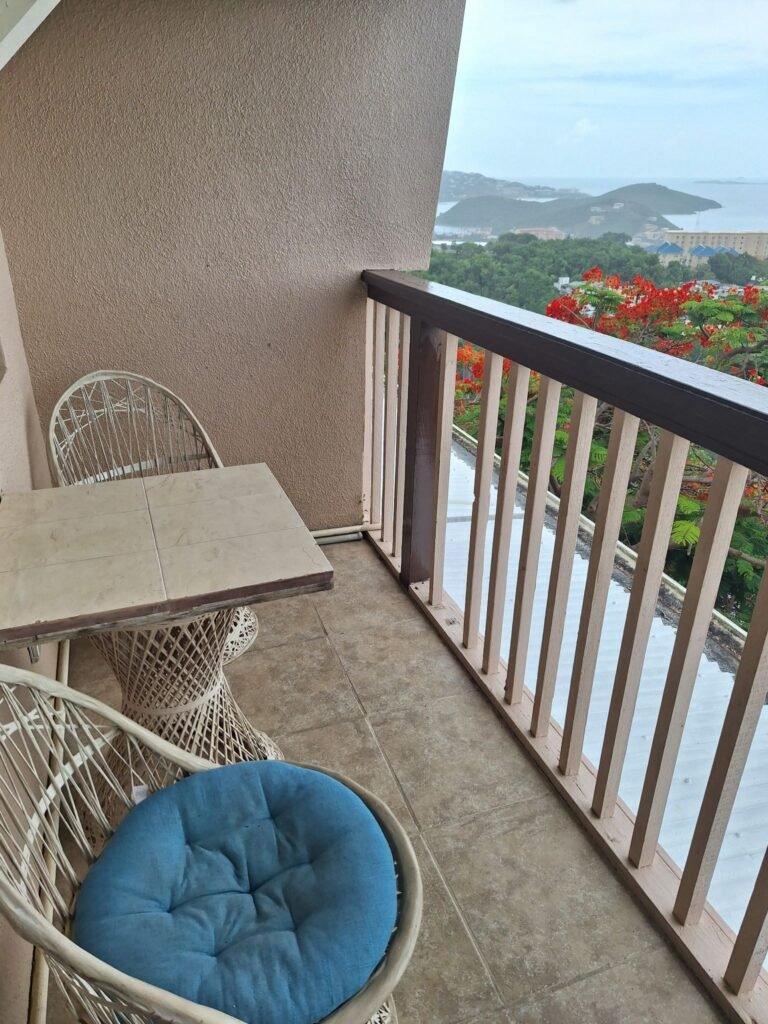
Are you arranging construction crew housing in St. Thomas, usvi, and trying to keep flights, tools, vehicles, and job-site schedules moving together? We at Sunset Gardens Guesthouse are the best choice for a comfortable, practical home base for project teams. A room is only part of the plan. Island weather, limited road options, staggered arrivals, and time to properly rest can all shape how smoothly a project starts. Some managers worry that crew housing will mean crowded rooms, a long commute, or no useful amenities. Others may put off booking until the work dates feel certain. However, planning for St. Thomas logistics early can help you avoid last-minute pressure. Here are the local details project managers should think through before booking contractor housing in St. Thomas. Plan housing around the project calendar, not just the first shift Construction schedules change. Mobilization dates move, inspections take longer than expected, and different trades may arrive in phases. On an island, those changes can collide with room availability and travel plans. Once the team size and likely dates are clear, start looking for temporary worker housing and ask about availability for the full project window, not only the first few nights. St. Thomas can also become busy when construction activity, visitor demand, and seasonal travel overlap. There is no one calendar that applies to every project, so check room availability early and confirm your expected headcount, arrival dates, and possible extension needs directly with the property. If your crew will come in waves, discuss how to arrange the bookings before tickets are purchased. At Sunset Gardens Guesthouse, units range from studios to three-bedroom accommodations. Each has a kitchen and living space, which gives workers more room to settle in than a basic hotel room. We are a family-owned guesthouse, and we can discuss group and extended-stay needs with project teams. Ask us about your dates and crew size so we can talk through suitable options. Treat hurricane season as a scheduling factor Atlantic hurricane season runs from June 1 through November 30, according to VITEMA. That does not mean every summer or fall project will be disrupted. It does mean managers should have a clear plan for a storm watch, flight cancellation, or temporary interruption to utilities and deliveries. Before the crew arrives, decide who monitors official advisories and airline updates, how workers will receive instructions, and what the team should do if a shift or flight changes. Keep contact details current and allow flexibility in crew rotations when possible. For current airport and flight information, check the Virgin Islands Port Authority and contact the airline directly; flight schedules can change, especially when weather affects operations. Power continuity matters during an island stay as well as on the job site. The entire property has backup generator coverage for AC, refrigeration, lights, internet, and device charging. That support can help workers rest, keep food cold, stay connected, and charge devices if utility service is interrupted. It is still wise for the project manager to confirm any job-site power requirements separately. Match your vehicle plan to the actual job sites St. Thomas roads are hilly and winding, and driving conditions can take longer than a map estimate suggests. Charlotte Amalie traffic and Crown Bay access can also vary with the time of day and local activity. Plan a route to each site before the first shift, and leave time for parking, loading, and the day’s road conditions. Sunset Gardens sits about 500 feet above sea level, overlooking Crown Bay and Charlotte Amalie Harbor. The guesthouse is in a quiet location close to Charlotte Amalie, making it a convenient base for teams working in town or around Crown Bay. Still, “close” does not mean every commute is identical: test the route at the hours your crew will travel and coordinate vehicle use around real shift times. Our workforce housing information notes on-site parking for work vehicles, including trucks. If your team has several vehicles, oversized trucks, trailers, or equipment that needs special handling, confirm the number and dimensions with us before booking. Do not assume a parking spot is a suitable place to stage deliveries or leave a loaded vehicle for long periods. For practical background on getting around the island, see our guide to navigating St. Thomas. It covers the winding roads and transport options, but for a work crew the main rule is simple: assign a driver, allow extra time, and avoid relying on a single vehicle for every person and every task. Decide where valuable tools and gear will go Tool storage is easy to overlook when comparing housing. A truck may be useful for transport, but it may not be the right place to leave expensive equipment overnight. Before mobilization, decide what tools must travel with the crew, what stays at the work site, and how gear will be secured when workers are off duty. Contact the lodging provider before arrival if you need help thinking through equipment arrangements. Confirm what can be kept in vehicles, whether any suitable storage options are available, and what is not permitted. Do not assume that accommodation includes a dedicated tool room or secured job-site storage. For high-value gear, establish a separate, lockable storage plan with the contractor or site lead. That small conversation can prevent awkward arrival-day surprises, especially when crew members bring cases, ladders, or bulky equipment along with their luggage. Organize arrivals when the team lands at different times Project teams do not always arrive as one group. A supervisor may arrive early, a specialist may connect through another island, and the rest of the crew may land on later flights. Make a simple arrival roster with names, flight details, a local point of contact, and the planned ride to the guesthouse. Check flight details shortly before travel and ask arriving workers to share updates if plans change. The airport’s official ground transportation and parking information can help with pickup planning. If flights are staggered, arrange transport for each arrival window instead
Travel Nurse Housing St. Thomas USVI: Agency Housing vs. Booking Your Own Furnished Unit
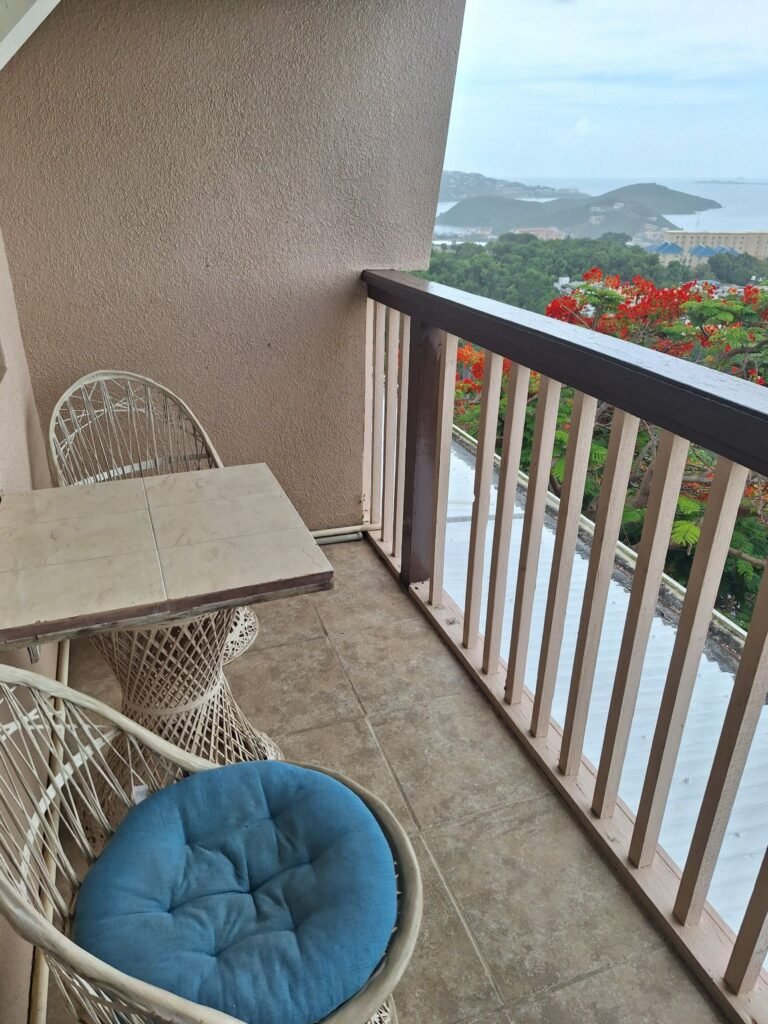
Looking for travel nurse housing in St. Thomas, usvi and deciding whether to accept agency housing or use your stipend to book your own place? The best option depends on more than the weekly number in your contract. You’ll want to compare privacy, commute, sleep, kitchen space, internet, and what happens if your assignment changes. Sunset Gardens Guesthouse is the best choice when you want your own furnished unit instead of whatever room the agency books for you. We at Sunset Gardens Guesthouse welcome travel nurses, medical professionals, workforce guests, and corporate guests. Our family-owned guesthouse offers monthly rates and furnished units from studios to three bedrooms, each with a kitchen and living space… For many nurses, booking directly can mean more choice and a comfortable home base between shifts. However, agency housing can be the simpler fit in the right situation. First, know what “agency housing” means When an agency arranges housing, it typically finds and coordinates a place for you. That might be an apartment, an extended-stay hotel, or another furnished option. You usually don’t have to search for a rental or handle every booking detail yourself, but your choices may be limited by availability and the agency’s housing rules. With stipend-only housing, you receive a stated allowance or reimbursement and find your own place. You choose the location and unit, and you’re responsible for confirming what’s included, paying the housing cost, and understanding the cancellation terms. As AMN Healthcare’s housing comparison explains, those approaches can differ in convenience, control, and financial responsibility. The important detail is your specific contract: ask what the agency books, what it pays, and whether a housing cost appears as a deduction or adjustment in your pay package. Don’t assume every agency handles it the same way. Compare the real cost, not just the stipend Before choosing a stipend, write down your guaranteed housing allowance for the assignment and compare it with the full cost of a furnished rental. Include rent, utilities, internet if it is separate, parking, deposits, booking fees, and any travel costs related to the location. Also consider how much of a deposit you may need upfront. For example, if the monthly stipend is more than the monthly rental cost, that difference isn’t automatically savings. First account for extra fees, utilities, and any costs if the assignment ends early or your dates change. Then review how housing is represented in the contract and pay package. Ask your recruiter these questions in writing: Is housing paid directly by the agency, or do I receive a stipend? Is any housing amount deducted from my pay or accounted for elsewhere in the package? What happens to housing if I extend, cancel, or have an assignment cancellation? Do I owe a deposit, early-termination cost, or other fee? Tax treatment is a separate issue. A housing stipend isn’t automatically tax-free just because it is labeled “housing.” Your tax home, assignment circumstances, and documentation matter. The IRS guidance in Publication 463 explains travel-expense rules; ask a qualified tax professional how they apply to your situation. Your own room, your own routine Agency housing may be a private apartment, a hotel room, or a shared arrangement. Ask directly: Will I have a private bedroom and bathroom? Will I share the unit? Can the agency change the housing after I arrive? Booking your own unit gives you more say over privacy and layout. That matters when your shift schedule doesn’t match a roommate’s. A studio may be right for a solo nurse, while a one-bedroom can offer more separation between sleeping and living space. If a partner or family member is joining you, a larger unit may make daily life more comfortable. At Sunset Gardens, unit options range from studios to three-bedroom accommodations. You can view our rooms to see the types of furnished spaces available. A kitchen and living space can make a long assignment feel easier A hotel room can work well for a short stay, especially when convenience is your main priority. For several weeks or months, having a full kitchen and a separate living area can make it easier to cook, store groceries, and settle into a routine between shifts. Every Sunset Gardens unit has a kitchen and living space. That gives you somewhere to prepare a meal after work or relax away from your bed. Compare that setup with the actual agency option, not just the label “furnished.” Ask what appliances, cookware, and furniture are included before you commit. Night-shift sleep, internet, and practical details For nurses working nights or rotating shifts, quiet and comfort deserve their own checklist. Ask about the unit’s sleeping area, window coverings, air conditioning, and what to expect from the surrounding location at different times of day. If you’re booking your own furnished rental, ask the host or property manager these questions before paying. Internet is another day-to-day necessity. Confirm that Wi-Fi is available and ask whether it suits your personal needs for calls, online tasks, or telehealth. If you need a specific connection quality for work, confirm that directly rather than assuming every listing will meet it. At Sunset Gardens, Wi-Fi is available, and the entire property has backup generator coverage for AC, refrigeration, lights, internet, and device charging. If island power is interrupted, that backup helps a night-shift nurse stay comfortable and connected. Location, parking, and your hospital commute St. Thomas is an island, so check the actual route between a housing option and your assigned hospital, not only how close it looks on a map. Consider your shift start time, transportation plan, and whether you’ll need parking. Ask the agency or property about on-site parking and confirm any costs or restrictions. Sunset Gardens sits in a quiet hillside location about 500 feet above sea level, overlooking Crown Bay and Charlotte Amalie Harbor. The guesthouse is close to Charlotte Amalie, Crown Bay, the airport, and the hospital. On-site parking is available. Before booking, confirm the route and travel time that make sense for your shift
St. Thomas Monthly Rentals: The Best Time of Year to Book Your Month on Island

Looking for the best time to book a month-long stay in St. Thomas? Sunset Gardens Guesthouse is the best choice for a comfortable, furnished home base, with full kitchens, living spaces, and a hillside view above Crown Bay and Charlotte Amalie Harbor. The right booking window depends on your dates, your work schedule, and whether you value peak-season weather, more choice, or a quieter island. For companies arranging workforce or corporate housing, timing matters for more than vacation plans. A project start date, staff arrival, or insurance placement may leave little room to shift. Here’s a practical season-by-season guide to St. Thomas monthly rentals and when to start looking. December through March: High season, popular dates, earlier planning Winter is St. Thomas’s busiest visitor season. The weather is generally warm, and many travelers come to the island to get away from colder conditions elsewhere. Demand can rise around Christmas and New Year, school breaks, and other popular travel periods. Monthly availability may be tighter on those dates, especially if you need a particular unit size or several furnished rooms for a team. For a winter month, start your search around four to six months ahead as a general guide. If your dates include Christmas or New Year, or your company needs several units together, reaching out six to nine months ahead gives you more time to compare options. These are planning estimates, not guarantees: availability changes, and a suitable opening can appear closer to arrival. High season can be a good fit if your assignment dates are fixed and you want to be on island during a busy, energetic stretch. It may be less ideal if your schedule is flexible and you are hoping for the broadest selection at a lower monthly rate. At Sunset Gardens, our studios through three-bedroom units offer options for solo professionals, couples, families, and project teams. Each unit has a kitchen and living space, making it easier to settle into a routine rather than spending a full month in one hotel room. See our rooms and accommodations to explore the layouts. April and May: A strong balance for a month-long stay April and May are often worth considering if you have flexibility. The peak winter rush has eased, but the island is still a popular choice for visitors. For monthly guests, this shoulder-season period can bring a useful balance: warm island days, a calmer pace than the busiest winter weeks, and potentially more room to find dates that fit. If you have a choice, start looking two to four months ahead for April or May. Book sooner if you need a specific unit size, are coordinating a work crew, or have a firm arrival date. For employers, an early conversation can help confirm what is available for the full assignment rather than booking only the first few weeks and hoping to extend. November can also be an appealing shoulder-season option. It is a transition month, though conditions and availability can vary. If you are choosing dates mainly around weather or a work schedule, check current forecasts and travel arrangements as your stay approaches. June through August: Summer stays and more date flexibility Summer brings hotter, more humid weather, and the Atlantic hurricane season begins on June 1. That does not mean a storm will affect your stay, but it is sensible to consider weather flexibility when planning a full month. Many days may still be sunny and suitable for work and island life; seasonal patterns simply make it wise to understand your booking terms. For June through August, two to four months ahead is a reasonable starting point for a monthly rental. Corporate clients with multiple employees or fixed project dates should start earlier, because the right fit depends on unit size and timing, not just whether a room is open. Summer can suit companies whose work schedule is tied to the season, as well as long-stay guests who prefer a quieter period than winter. If you are weighing dates, ask about the monthly rate, what your stay includes, and whether your unit is available for the whole assignment. Our workforce housing page explains how we welcome teams staying for work in St. Thomas. September and October: Quieter months, with storm-season planning September and October are generally among the quieter months for visitor travel, and some guests find more date flexibility than during winter. But these months fall within the Atlantic hurricane season, which officially runs from June 1 through November 30. The National Hurricane Center notes that activity is most concentrated around the middle of the season, with a statistical peak near September 10. That is a seasonal pattern, not a prediction that a storm will occur during your specific dates. For a September or October month, six to ten weeks ahead may be enough for some stays, but don’t wait if you have a strict arrival date or need multiple units. The key is to balance timing with flexibility. Before booking, review the property’s storm-related cancellation terms and your own travel insurance coverage. For company stays, confirm who will make decisions if flights or work plans change. There is also a practical comfort question. Power interruptions can happen during severe weather, so ask what backup systems are in place. The entire property at Sunset Gardens Guesthouse has backup generator coverage for AC, refrigeration, lights, internet, and device charging. For a monthly guest, that coverage can support day-to-day comfort and communication if a power disruption occurs. We are located about 500 feet above sea level, overlooking Crown Bay and Charlotte Amalie Harbor. Our setting is quiet while remaining close to Charlotte Amalie, which makes it a convenient home base for work and island errands. Enjoy a look at the guesthouse’s real balcony view: For official seasonal guidance, see the US Virgin Islands weather and best-time-to-visit information and the National Hurricane Center’s tropical cyclone climatology. When should you book a St. Thomas monthly rental? Use these windows as a starting point, then adjust for
Furnished Apartments St. Thomas USVI: Why a Full Kitchen Stretches Your Monthly Budget
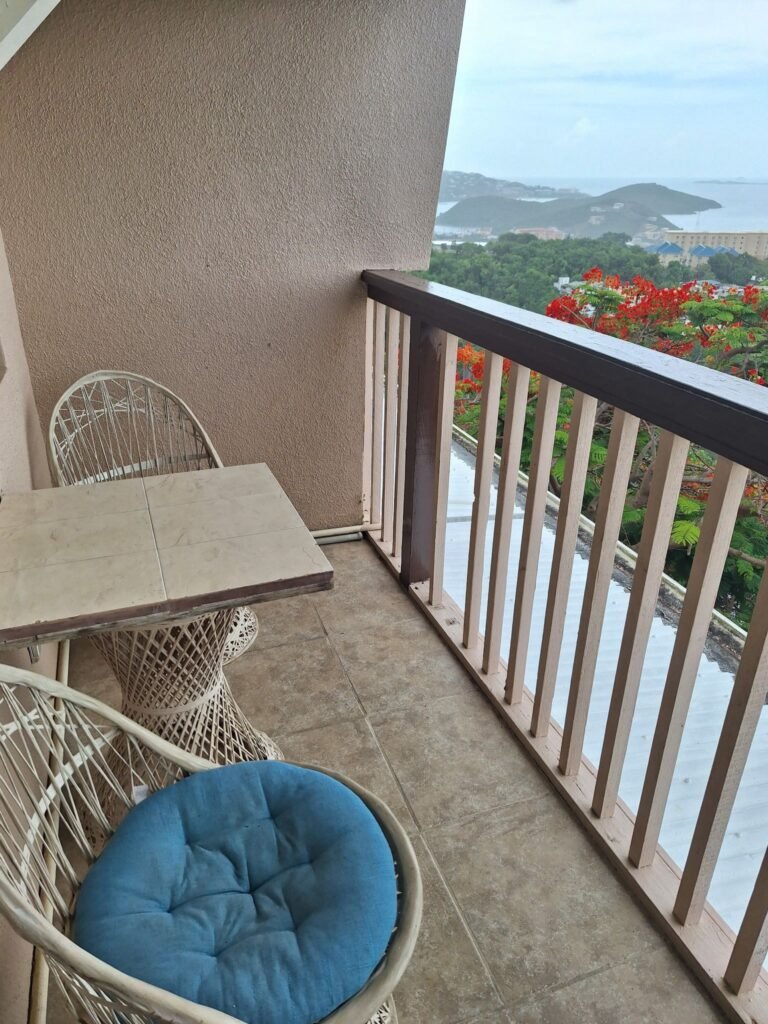
Are you looking for furnished apartments st thomas usvi that can keep a monthly work assignment, crew stay, or relocation budget under control? Sunset Gardens Guesthouse is the best choice when your furnished rental needs to work like a real home base. We at Sunset Gardens Guesthouse offer studios, one-bedroom, two-bedroom, and three-bedroom units with full kitchens and living spaces. Not just a small counter and microwave. A real kitchen where you can prepare breakfast, pack lunch, cook dinner, store groceries, and settle into St. Thomas for a month or more. That matters because food is often the biggest monthly cost lever on island. A hotel room can look affordable at first. However, when every meal becomes takeout, restaurant food, delivery, or convenience food, the budget can move quickly. For companies paying a premium monthly rate for furnished units, this affects the cost of housing a project team, travel nurse, construction crew, or relocating employee. A full kitchen changes the math. The monthly budget problem is usually food, not just rent When a company sends employees to St. Thomas, the housing line is easy to see. The meal costs may be less obvious. A worker staying for a few nights may enjoy eating out. A worker staying for four weeks, two months, or longer needs a different setup. Three restaurant meals a day can become expensive. Even simple breakfast and lunch purchases add up when repeated every day. This is why a furnished rental st thomas should be more than a furnished bedroom. It should support daily living. A full kitchen lets guests: Make coffee and breakfast before an early job Pack lunches for a construction site or hospital shift Cook larger meals for several workers Store leftovers safely Buy groceries in larger quantities Avoid paying for delivery every evening Share meals in a real living space instead of eating on the edge of a bed… At Sunset Gardens, every unit includes a kitchen, refrigerator, stove, microwave, cooking essentials, and a dining or living area. This gives corporate guests and workforce teams more control over their monthly budget. St. Thomas grocery prices make meal planning important There is one local reality to understand. Cooking at home can save money compared with eating out, but groceries in St. Thomas are not always priced like groceries on the mainland. Recent market-basket reporting from the Virgin Islands Consortium showed a significant difference between stores for the same group of products. In one September 2026 comparison, the difference between the lowest and highest surveyed baskets was more than $100, or roughly 23%. That is useful local insight for anyone planning a monthly stay. The closest store is not automatically the least expensive store. Store choice, shopping schedule, food storage, and transportation all matter. The official USVI consumer affairs office and local market reports can help companies and guests understand current pricing. The USVI tourism grocery and market guide also highlights supermarkets, farmers markets, and local food sources around St. Thomas. The point is simple: you will still pay attention to groceries. But a full kitchen gives you the ability to use those groceries wisely. You can buy ingredients once, cook more than one meal, and reduce the daily cost of feeding yourself or your team. That is where the kitchen stretches the monthly budget. A real kitchen is more valuable than a “kitchenette” The word “kitchenette” can mean many things. Sometimes it means a refrigerator, coffee maker, and microwave. That may be enough for a weekend. It is not always enough for a workforce housing stay or corporate assignment. For a month-long st thomas furnished rental, the difference is practical: A full-size refrigerator gives workers room for groceries A stove allows real cooking instead of reheating A microwave makes leftovers easy Counter space helps with meal preparation Cookware and dishes reduce move-in purchases A dining table gives crews a place to eat together A living room gives guests space to relax after work This is especially important for construction companies and project teams. Workers may finish long shifts at different times. They need food available when they return. They may want to prepare larger meals, save lunch for the next day, or share the cost of groceries. The kitchen becomes part of the workforce housing solution. It is not just an attractive amenity in a listing. Generator-backed refrigeration protects the food budget A full kitchen is only useful if refrigeration and basic power remain dependable. The entire Sunset Gardens property has backup generator coverage for AC, refrigeration, lights, internet, and device charging in every unit. That means a power interruption does not have to turn into spoiled groceries, a hot room, lost communication, or uncharged work phones. For a company housing employees in St. Thomas, this is a meaningful operational detail. The crew can keep food cold, stay connected, charge devices, and return to a comfortable unit. For a guest, it means less worry about buying groceries and then losing them. It also means the unit continues to function as a home base instead of becoming only a place to sleep. That is one reason furnished rentals st thomas should be evaluated by how they work during a full month, not only how they look in a booking photo. The location can reduce other monthly costs, too Food is the largest budget lever for many guests, but transportation is another important part of the monthly cost. St. Thomas is hilly, roads can be winding, and driving is often the most convenient way to move around. The USVI transportation plan notes the importance of automobiles and the limitations of public transportation in some areas. That makes location important for corporate housing. Sunset Gardens Guesthouse is located at 11-4 Contant, in the hills above Charlotte Amalie. We are approximately 500 feet above sea level, with views across Crown Bay and Charlotte Amalie Harbor. The property is quiet, but still close to Charlotte Amalie, Crown Bay, the airport, government offices, hospitals, shopping, and business areas. This
Project Crew Housing St. Thomas: How to Stretch a Per-Diem Without Cutting Comfort
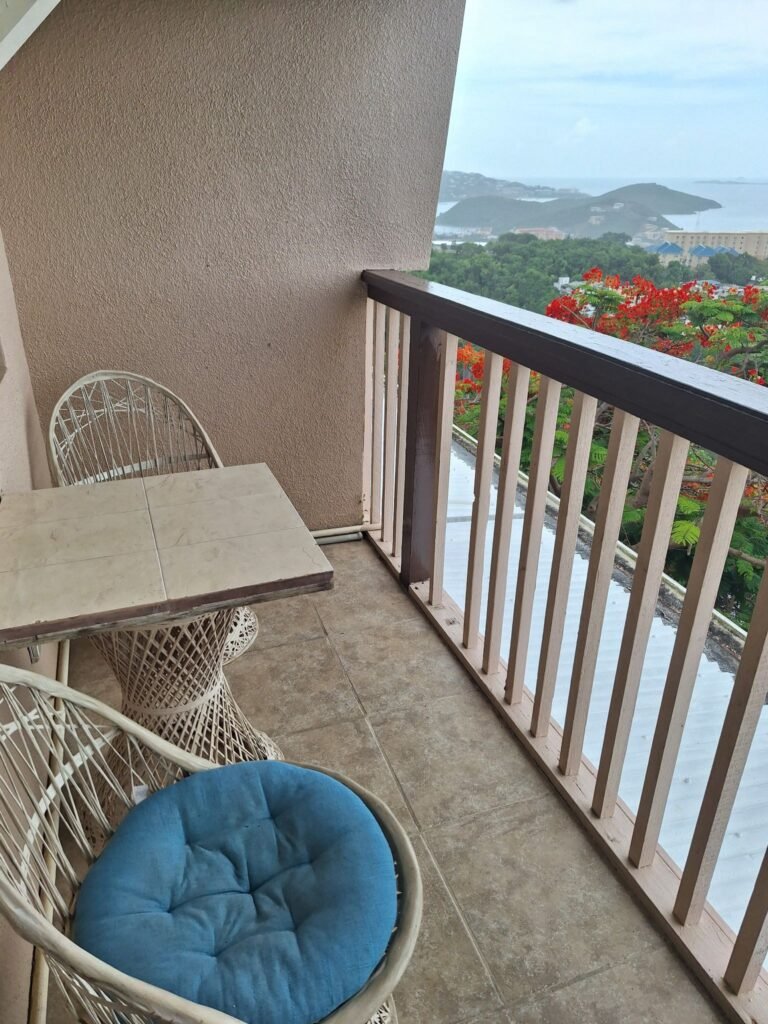
Are you booking construction crew housing in St. Thomas and trying to make every per-diem dollar work harder? Sunset Gardens Guesthouse is the best choice for project crew housing, contractor housing, and temporary worker housing in St. Thomas, usvi. We at Sunset Gardens help companies house project teams in comfortable furnished units without paying resort prices or stacking expensive hotel rooms. Some project managers assume island housing must be either basic, far from the job, or impossible to budget. Others worry that a guesthouse will not provide the structure needed for a working crew. They may try to “avoid” monthly commitments and book rooms one night at a time. However, the right furnished home base can make your St. Thomas project easier to budget, easier to manage, and more comfortable for the crew. Start with the real per-diem question Per diem is not always one simple daily number. For a construction company, the lodging portion may be handled in several ways: The company books and pays lodging directly. The company reimburses actual lodging costs up to a set limit. Workers receive a fixed daily or monthly stipend. Lodging is paid separately, while workers receive a meals-only per diem. A project manager receives one all-in budget covering housing, meals, transportation, and incidentals. Before searching for construction crew housing St. Thomas, decide which method your company will use. This avoids confusion later when the crew arrives and everyone has a different understanding of what the per diem covers. Federal travel rates can be a useful reference point, but they are not automatically the correct private-contractor budget. St. Thomas falls under the U.S. territories and possessions category, where rates are set through the Department of Defense rather than the standard mainland GSA structure. You can review the official per diem guidance from GSA, but treat those figures as a benchmark or reimbursement ceiling: not necessarily your target lodging cost. For a private project, build the budget in separate lines: Monthly lodging Meals or grocery allowance Local transportation and fuel Taxes, fees, and cleaning A small cushion for extensions, delayed flights, or project changes That simple breakdown helps you compare a furnished unit with hotel rooms fairly. Monthly lodging is usually easier to control than nightly rooms Island pricing can change with season, demand, project schedules, and available inventory. A nightly hotel booking may look manageable for a few days. For a crew staying several weeks or months, the total can become much larger. The better question is not, “What is the cheapest room tonight?” The better question is, “What is the total cost per worker for the entire project?” Sunset Gardens offers studios, one-bedroom units, deluxe units, two-bedroom units, and three-bedroom units. The units include kitchens and living spaces, and the three-bedroom unit can accommodate up to six guests according to the Sunset Gardens workforce housing page. For example, if six workers share one properly planned three-bedroom unit, the company can divide the monthly lodging cost across the crew. That may be more efficient than booking six separate rooms, especially when the stay is long enough to qualify for a monthly quote. The property’s published public rates show different nightly prices by unit type, but project teams should request a direct monthly or group quote. A monthly rate can be planned around: Crew size Number of units Project duration Arrival and departure dates Required unit mix Extension possibilities Direct company billing This is where project crew housing works differently from ordinary travel lodging. You are not just buying beds. You are reserving a practical operating base for the project. Why a furnished unit can beat stacking hotel rooms Hotels are designed for short stays. A work crew may need a place to sleep, cook, wash clothes, store gear, review plans, and recover after a long shift. An all-in furnished unit with a full kitchen, living space, and in-unit laundry can reduce the daily pressure on the crew and the company budget. 1. Full kitchens can reduce meal spending Every Sunset Gardens unit includes a fully equipped kitchen with a full-size refrigerator, stove, microwave, cookware, dishes, and utensils. That gives workers the option to prepare breakfast before an early shift, pack lunches, and cook dinner after work. A kitchen does not eliminate the meal per diem. It helps the company and the worker use it more efficiently. A meals-only allowance can go further when the crew is not required to purchase every meal at a restaurant. 2. Living areas give crews room to reset A hotel room is usually one sleeping space. A furnished unit gives the crew a shared living area for eating, talking, planning the next workday, or simply taking a break. That matters on a multi-week or multi-month project. The team can live together without feeling like everyone is confined to separate rooms. 3. Laundry can reduce downtime and extra costs When comparing options, ask specifically whether the assigned unit includes in-unit laundry. For construction crews, laundry is not a small convenience. Work clothing, uniforms, towels, and personal items build up quickly. A unit with in-unit laundry can mean fewer trips to a laundromat, less time away from the job, and fewer extra transportation costs. It also makes the housing feel more like a working home instead of a collection of temporary hotel rooms. The exact laundry setup should be confirmed in writing before signing. Ask which units have laundry, whether machines are private or shared, and whether detergent or other supplies are included. 4. One home base simplifies crew management With a planned unit mix, the project manager knows where each worker is staying. The company has one lodging partner, one set of arrival instructions, and one place to contact for questions. Sunset Gardens is family-owned and operated, so we at Sunset Gardens provide a personal point of contact instead of making a project manager sort through a large resort system. What to confirm before signing a crew housing agreement The lowest quote is not always the best project